On the last day of August, our sketch group gathered at Plaza Libertad for an outdoor session in celebration of National Heroes Day, no fountain pens involved this time.
National Heroes Day is a Philippine public holiday held on the last Monday of August, honoring the country’s national heroes. Plaza Libertad turned out to be a fitting place for it. The name roughly translates to “the town square of liberty,” and the plaza itself is tied to the country’s history.
Sketching Against the Weather
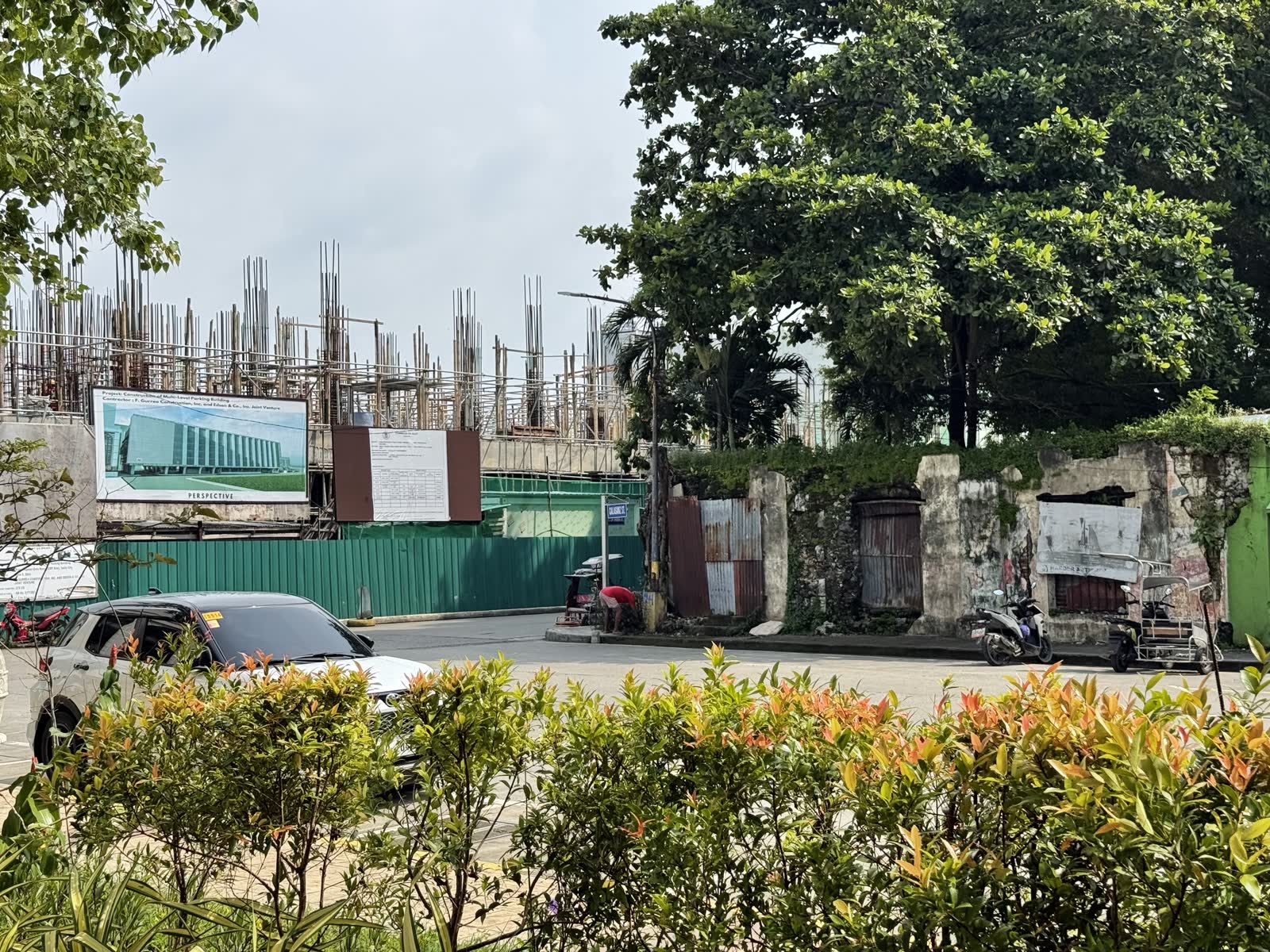
This time, we were sketching and painting outdoors. Everyone arrived at different times, so people went their own way looking for a spot to sketch. I found my own corner and started painting a nearby street.
Painting outdoors, or “plein air” as it’s formally called, comes with a built-in time limit that studio work doesn’t have. Light shifts, weather turns, and subjects like foot traffic don’t hold still. Most plein air painters block in color first and add details last, exactly so an unfinished afternoon still leaves them with something worth keeping.
Unfortunately, the weather wasn’t on our side that day. Two hours in, dark gray clouds started rolling in. Thankfully, it was just enough time for everyone to capture their subjects in a finished sketch.
Wrapping Up With Our Own Lapag
We did the usual Lapag, our own activity for laying every sketch out together at the end of a session, gathering everyone at the center of Plaza Libertad. This time, though, each person got the chance to talk about their sketch.
To my surprise, one of the groups that joined had a friend of mine from high school, a fellow artist. We took a nice picture together, and with everyone else, before heading home.
Closing Out the Month
This rainy afternoon at Plaza Libertad ended up being a fitting way to close out an unusually eventful month for me personally. Between this sketch group and the fountain pen community’s own Pelikan Hubs meetup the week before, I somehow found myself part of two tribes in the same few weeks.
I met a lot of wonderful people who shared a common love for fountain pens and art. I can finally say I’ve found my tribe, and I’m looking forward to whatever comes next.
Quick Answers
What is National Heroes Day? It’s a Philippine public holiday observed on the last Monday of August, honoring the country’s national heroes.
What does “plein air” mean? It’s the practice of painting outdoors, on location, rather than in a studio. It requires working quickly since light, weather, and subjects change throughout a session.
What does Plaza Libertad mean? The name roughly translates to “the town square of liberty,” a reference to the plaza’s place in local history.