Category: Blog

  • A Heroes Day Sketch Meet at Plaza Libertad, Iloilo

    A Heroes Day Sketch Meet at Plaza Libertad, Iloilo

    On the last day of August, our sketch group gathered at Plaza Libertad for an outdoor session in celebration of National Heroes Day, no fountain pens involved this time.

    National Heroes Day is a Philippine public holiday held on the last Monday of August, honoring the country’s national heroes. Plaza Libertad turned out to be a fitting place for it. The name roughly translates to “the town square of liberty,” and the plaza itself is tied to the country’s history.

    Sketching Against the Weather

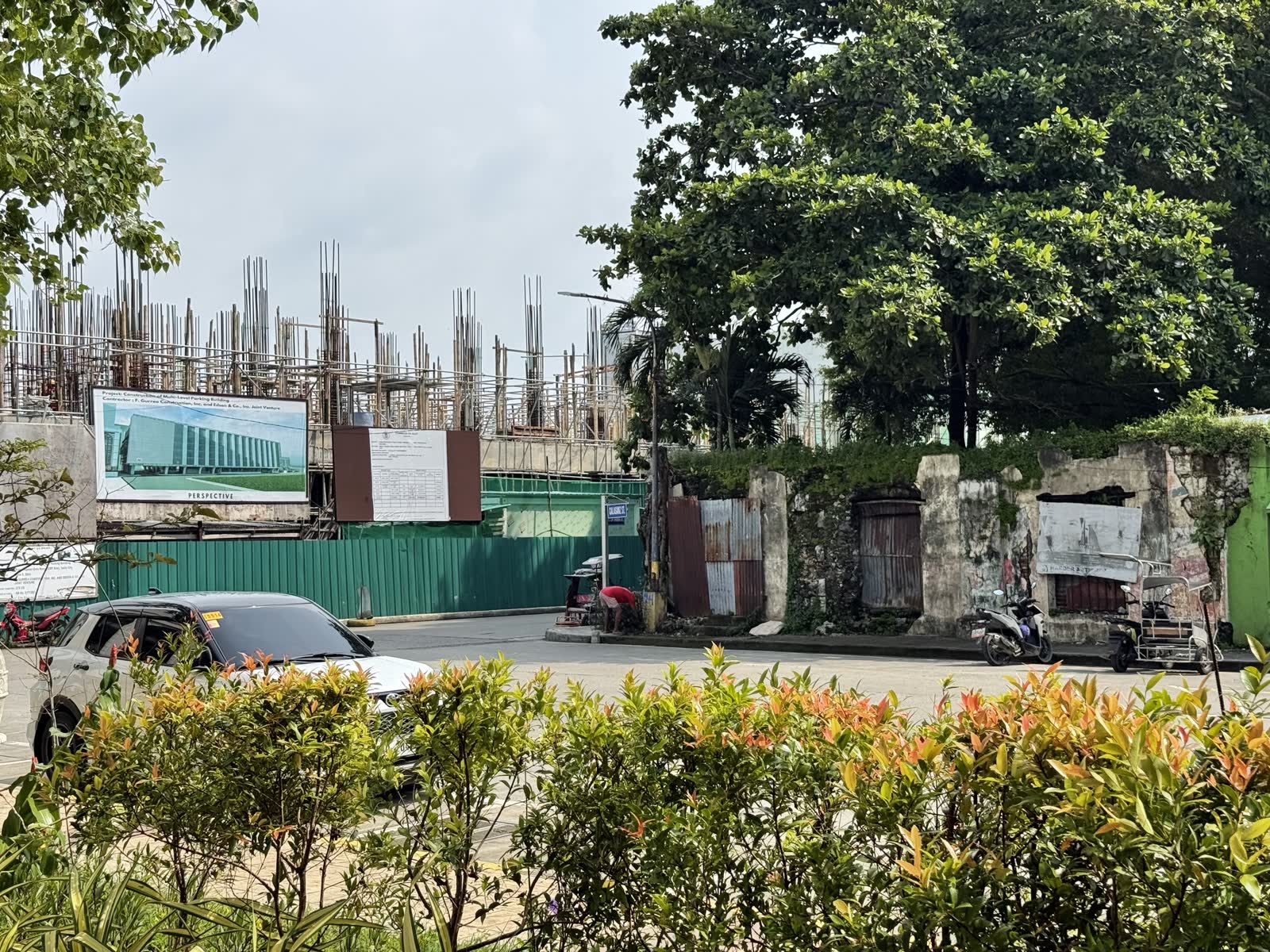
    This time, we were sketching and painting outdoors. Everyone arrived at different times, so people went their own way looking for a spot to sketch. I found my own corner and started painting a nearby street.

    Painting outdoors, or “plein air” as it’s formally called, comes with a built-in time limit that studio work doesn’t have. Light shifts, weather turns, and subjects like foot traffic don’t hold still. Most plein air painters block in color first and add details last, exactly so an unfinished afternoon still leaves them with something worth keeping.

    Unfortunately, the weather wasn’t on our side that day. Two hours in, dark gray clouds started rolling in. Thankfully, it was just enough time for everyone to capture their subjects in a finished sketch.

    Wrapping Up With Our Own Lapag

    We did the usual Lapag, our own activity for laying every sketch out together at the end of a session, gathering everyone at the center of Plaza Libertad. This time, though, each person got the chance to talk about their sketch.

    To my surprise, one of the groups that joined had a friend of mine from high school, a fellow artist. We took a nice picture together, and with everyone else, before heading home.

    Closing Out the Month

    This rainy afternoon at Plaza Libertad ended up being a fitting way to close out an unusually eventful month for me personally. Between this sketch group and the fountain pen community’s own Pelikan Hubs meetup the week before, I somehow found myself part of two tribes in the same few weeks.

    I met a lot of wonderful people who shared a common love for fountain pens and art. I can finally say I’ve found my tribe, and I’m looking forward to whatever comes next.

    Quick Answers

    What is National Heroes Day? It’s a Philippine public holiday observed on the last Monday of August, honoring the country’s national heroes.

    What does “plein air” mean? It’s the practice of painting outdoors, on location, rather than in a studio. It requires working quickly since light, weather, and subjects change throughout a session.

    What does Plaza Libertad mean? The name roughly translates to “the town square of liberty,” a reference to the plaza’s place in local history.
  • Inside a Pre-Pelikan Hubs Fountain Pen Meetup

    Inside a Pre-Pelikan Hubs Fountain Pen Meetup

    Our pen group scheduled an official meetup in preparation for this year’s official Pelikan Hub the following month. This time, the whole group was invited, and having only met a handful of members before at a mini-penmeet, I was still pretty nervous going in.

    The Pre-Pelikan Hubs meet was held at a local restaurant. A long table was reserved for around 20 people, but we ended up borrowing a second one once roughly 30 members showed up. People came and went throughout, but I had the chance to talk to nearly everyone.

    What Is a Pelikan Hub?

    Pelikan Hubs is an annual event organized by Pelikan, the German pen brand that’s been around since 1838. On the same day each year, fountain pen fans in cities around the world gather at the same time, with each hub hosted locally by pen groups and specialty stores.

    Our pen group had already been around for a while before I joined, so this wasn’t a first launch. This dinner was more of a warm-up before the year’s Pelikan Hub, a chance for everyone to get comfortable with each other again before the bigger, branded event the following month.

    Bookbinding and Ink Swatching, Explained

    The meetup was lively, with everyone busy doing their own thing. One small group was enjoying some bookbinding, which is a craft that involves folding sheets of paper into signatures and stitching them together into a cover. It’s a slow, tactile hobby that pairs naturally with people who already care about paper and pens.

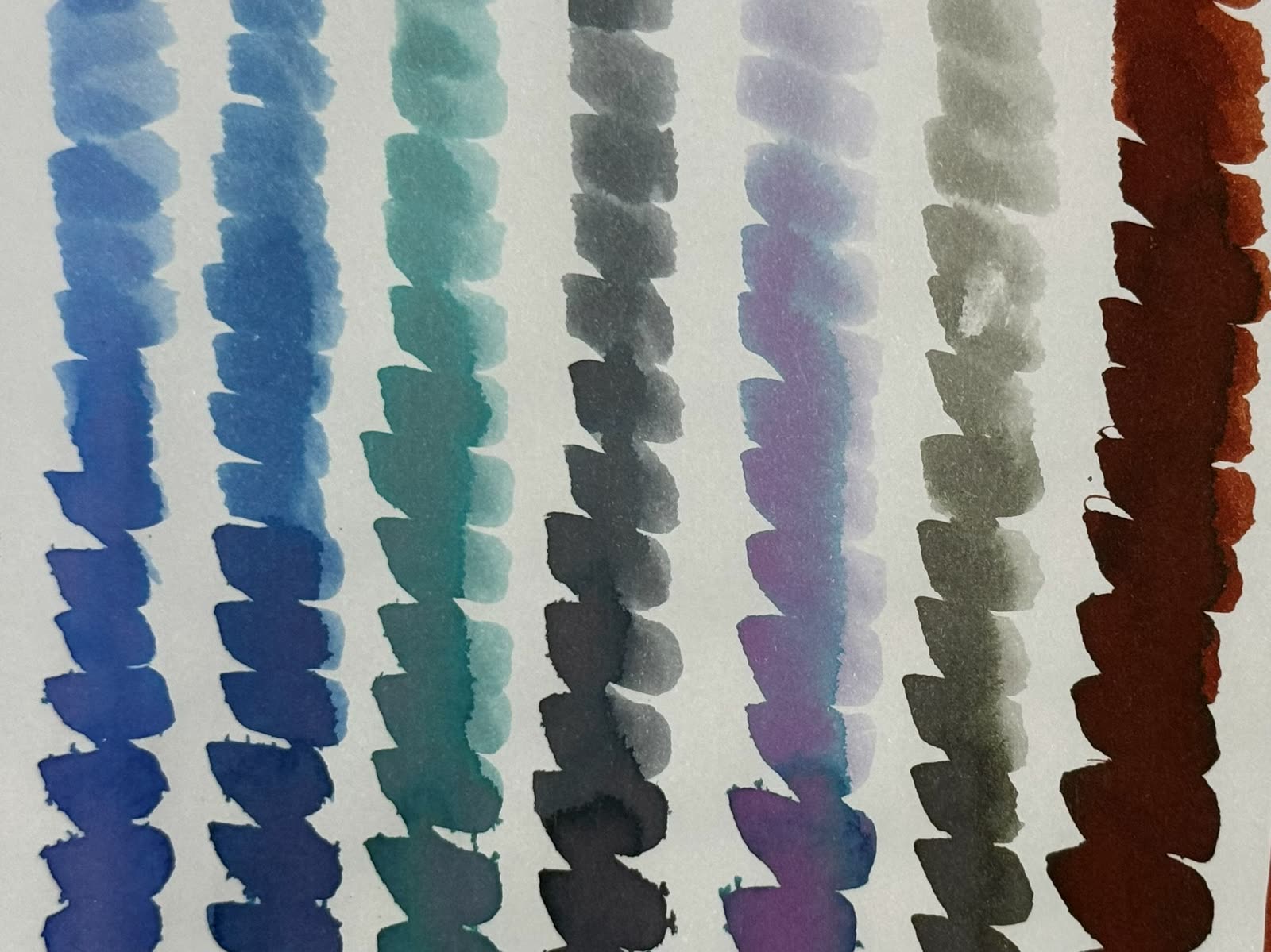
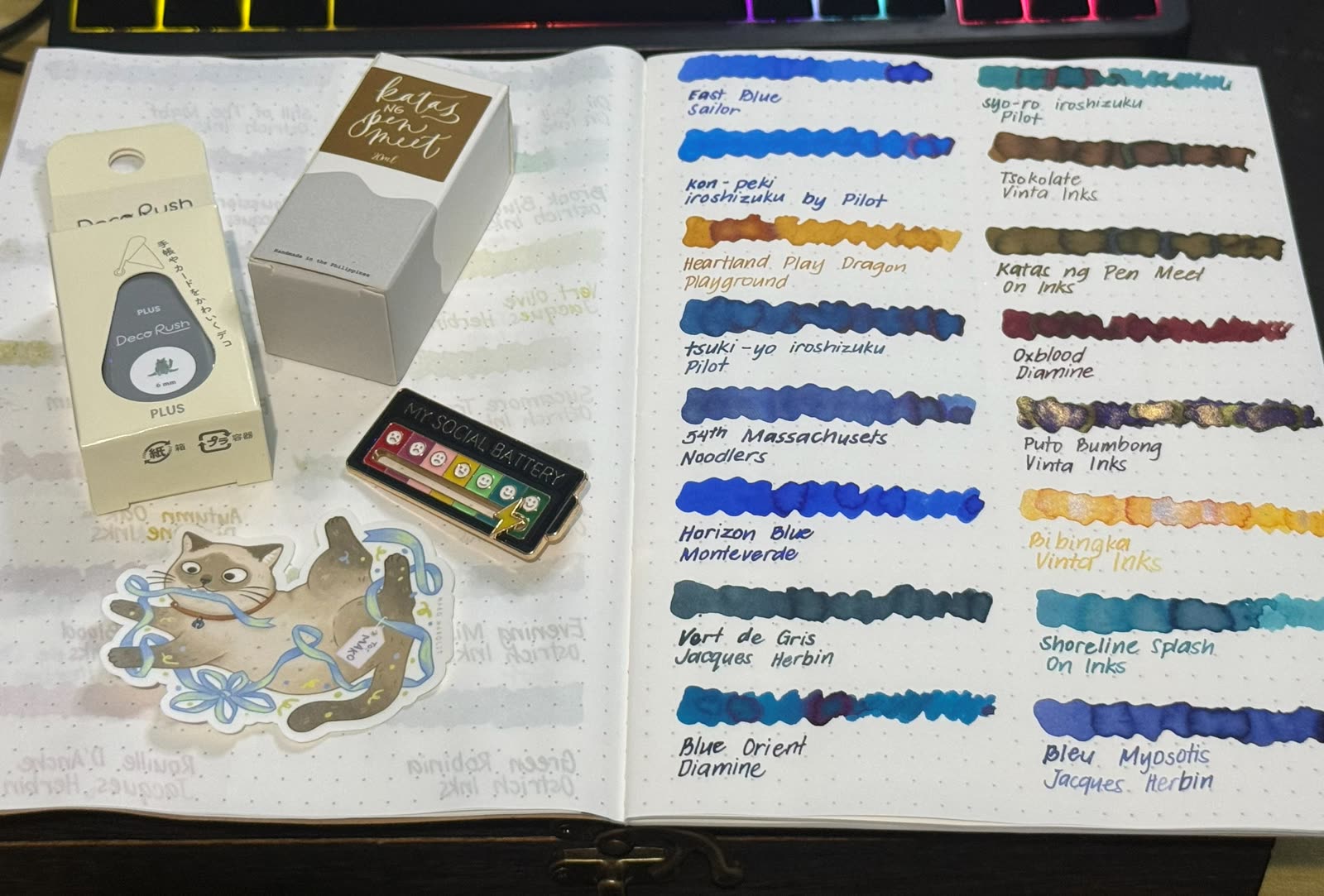
    After watching for a bit, I moved to another table covered in ink bottles and joined in on the swatching. Ink swatching means dipping a brush or pen into a bottle and recording how the color actually looks on paper, since ink often looks nothing like its bottle once it dries. Collectors keep swatch cards the way some people keep paint chips, as a personal reference for a color they might forget otherwise.

    Older Schoolmates I Didn’t Expect to Meet

    I was delighted to discover how connected everyone already was. Aside from sharing the hobby, a lot of the people I talked to turned out to be schoolmates from both college and high school, just from batches years ahead of mine. A few others were even in the same line of work as me. It was genuinely fun meeting everyone who came.

    By the time the sun had set, people started heading home one by one. With the Pelikan Hubs talk out of the way, it was about time to call it a day. I went home satisfied, new friends made, and a page full of new ink swatches.

    For our pen group, the real next stop was the official Pelikan Hubs meetup itself.

    Around that same stretch of the month, a separate but overlapping crowd, the local sketch group, was busy gearing up for its own outdoor meet at Plaza Libertad on National Heroes Day.

    Quick Answers

    What is a Pelikan Hub? It’s an annual fountain pen gathering organized by Pelikan, held on the same day in cities around the world and hosted locally by pen groups and specialty stores.

    What is ink swatching? It’s the practice of testing a fountain pen ink on paper and keeping a record of how it actually looks once dry, since bottled ink often looks different from its written color.

    What is bookbinding, at a beginner level? At its simplest, it’s folding sheets of paper into small sections called signatures and stitching them together into a cover to make a notebook or journal.

  • A Sketchmeet at the National Museum of Iloilo

    A Sketchmeet at the National Museum of Iloilo

    A few weeks after meeting some local collectors at a mini-penmeet, an invite landed in our group chat for something bigger: a Museum Sketchmeet at the National Museum of Iloilo. There were clearly more creatives in our fountain pen community than I’d realized at that first small gathering.

    The invite came from a member who uses his fountain pens for sketching and painting urban scenes. As usual, I was shy at first, but I let him know I wanted to join. The sketchmeet would be held at the National Museum of Iloilo.

    Walking Into the National Museum of Iloilo

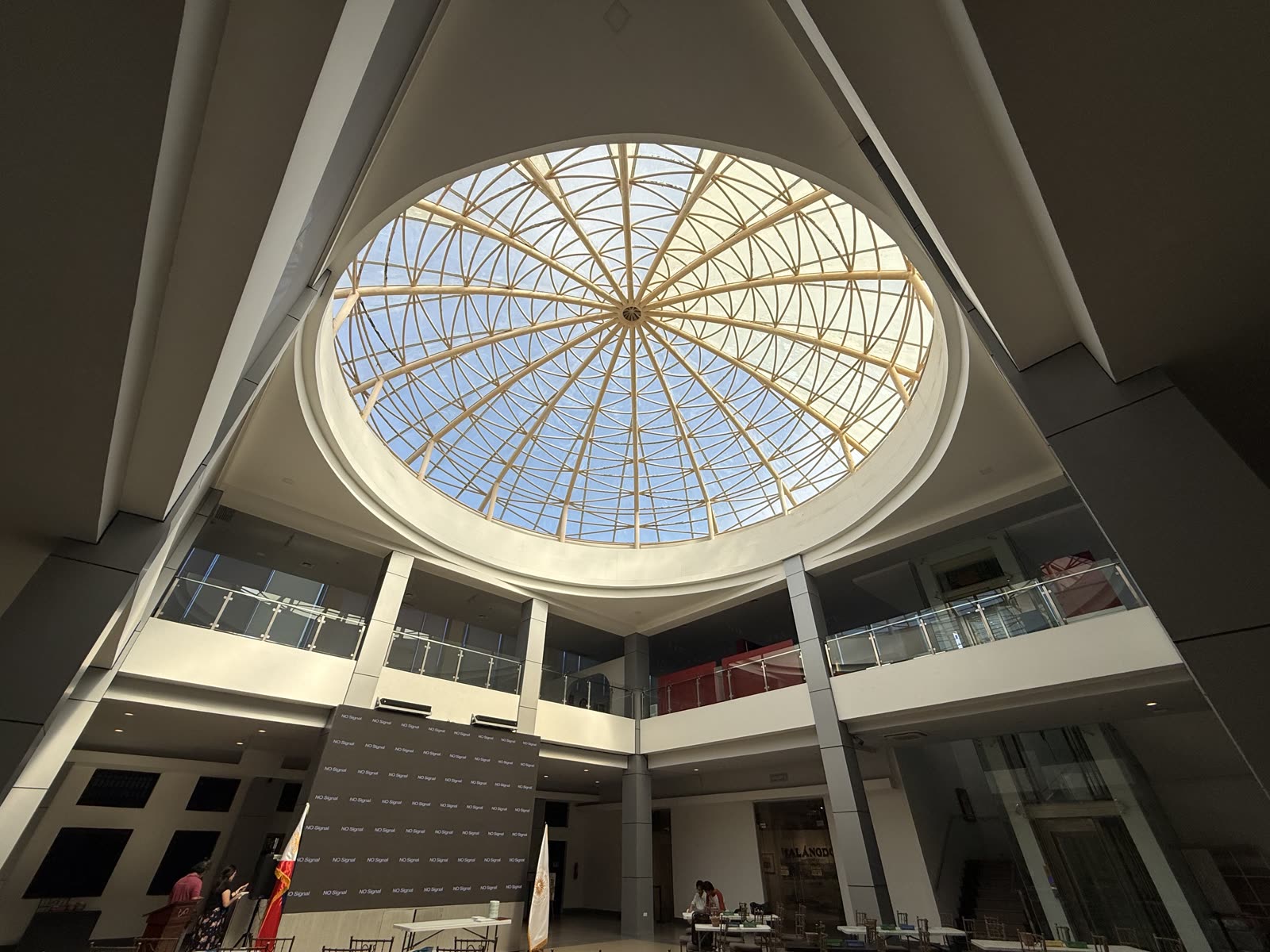
    The day came, and I arrived at the National Museum of the Philippines Iloilo as scheduled. I was surprised by the number of tables set up when I walked in. Beforehand, I’d done a little research on the sketch group and seen around 10 regular members. I figured I could handle meeting that many people. I was wrong.

    By the time the program started, all nine tables were filled with people of all ages. I overheard the organizers mention around 40+ registrations, and my heart rate immediately skyrocketed. My smartwatch was even sending me notifications about how flustered I was.

    What Is Urban Sketching, Anyway?

    The member who invited me described himself as an urban sketcher, which is its own small movement within the art world. Urban sketching means drawing or painting on location, in real time, instead of working from a photo back home.

    The unspoken rule is that you draw what’s actually in front of you, imperfections and all, rather than a tidied-up version of it. The movement started as a loose online community in the mid-2000s. It’s since turned into local chapters in cities all over the world, including here, which is how a regional branch of the National Museum became a regular meeting spot for a group like ours.

    Finding My Calm

    Thankfully, nervous as I was, I’d come there to make art, and painting has always been one of the most calming things I do. As soon as I picked up my brush, I cooled down and focused on my gouache sketch for the next two hours.

    Gouache gets picked for days like this for a reason. It’s basically opaque watercolor, which means you can layer a light color over a dark one without waiting forever for things to dry. Mistakes are also easier to paint over than they are with regular watercolor. For anyone sketching against a two-hour clock surrounded by people they’d just met, that kind of forgiveness matters more than any technical skill.

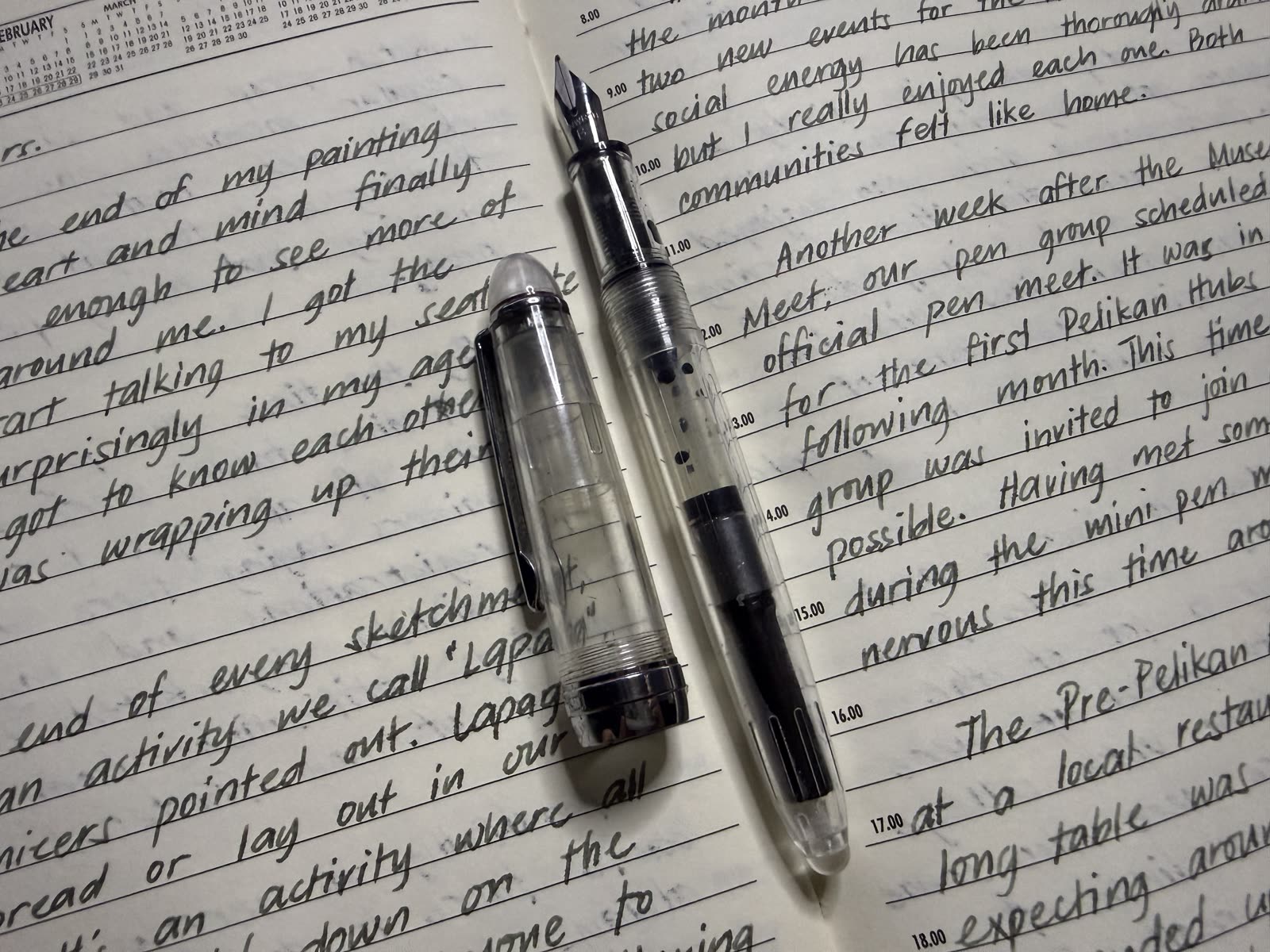
    Toward the end of my painting session, my heart and mind had calmed down enough to notice the world around me again. I got the chance to talk to my seatmate, who turned out to be around my age. We got to know each other as everyone wrapped up their sketches.

    What Is “Lapag”?

    At the end of our sketchmeets, there’s an activity we call “Lapag,” a local word that roughly means “spread” or “lay out.” Everyone’s sketches get laid down on the floor, ground, or table so the whole group can see each other’s work. Having a spread of everyone’s perspective side by side is a fantastic way to close out a session.

    It was only about halfway through the month, and I’d already attended two brand-new events. My social energy was thoroughly drained, but I enjoyed every bit of it. Both communities were starting to feel like home.

    Around that same time, our sketch group was also gearing up for its next outdoor meet at Plaza Libertad on National Heroes Day.

    Quick Answers

    What is urban sketching? It’s the practice of drawing or painting on location in real time, rather than working from a photo. It started as an informal global movement in the mid-2000s and now has local chapters in cities worldwide, including sketch groups that meet regularly at the National Museum of Iloilo.

    Why do artists use gouache for sketching? Gouache is opaque and fast-drying, so you can layer light colors over dark ones without waiting, and cover up mistakes more easily than with regular watercolor. That makes it forgiving for quick, timed sketching sessions.

    What does “Lapag” mean? It’s what our sketch group calls the activity where everyone lays their finished sketches out together at the end of a session so everyone can see each other’s work.

  • My First Fountain Pen Meetup Led to My First Art Sale

    My First Fountain Pen Meetup Led to My First Art Sale

    The opportunity for an actual fountain pen meetup came up not long after I joined a local fountain pen group chat. There was talk of a mini-penmeet to hang out with a couple of members who were about to travel. They were collectors of vintage pens, so I didn’t pass up the chance to meet them.

    The mini-penmeet happened on a Sunday afternoon at a local coffee shop. One of the pen group members was already there when I walked in. After some short introductions, the rest of the members slowly arrived, eight of us in total that day.

    Vintage Pens at My First Fountain Pen Meetup

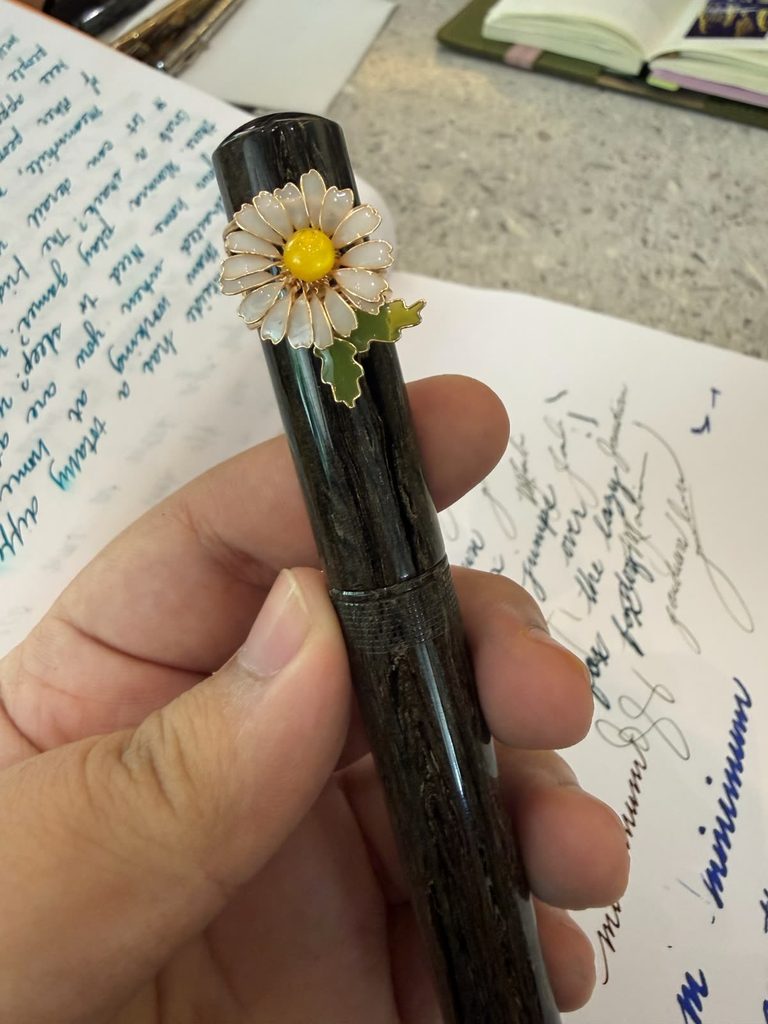
    A vintage fountain pen with a daisy-shaped cap decoration, held over handwritten journal pages

    We thoroughly enjoyed the vintage pens in front of us. Around 30+ pens were laid out in a box on the table, each with an interesting story about its features, materials, and how it was restored.

    Most of what makes an old pen worth collecting comes down to three things: the nib, the material, and the story behind the restoration. Vintage nibs, especially the flexible gold ones from the early 1900s, write with a softness that modern steel nibs rarely match.

    A lot of the pens on the table that day were made from celluloid, an early plastic that was prone to warping and cracking, which is exactly why a well-restored one is worth so much more than a rough one.

    We even got the chance to write with them. Holding a pen older than you, most dating back to the 1920s, was a magical experience.

    Bringing Out My Sketchbook

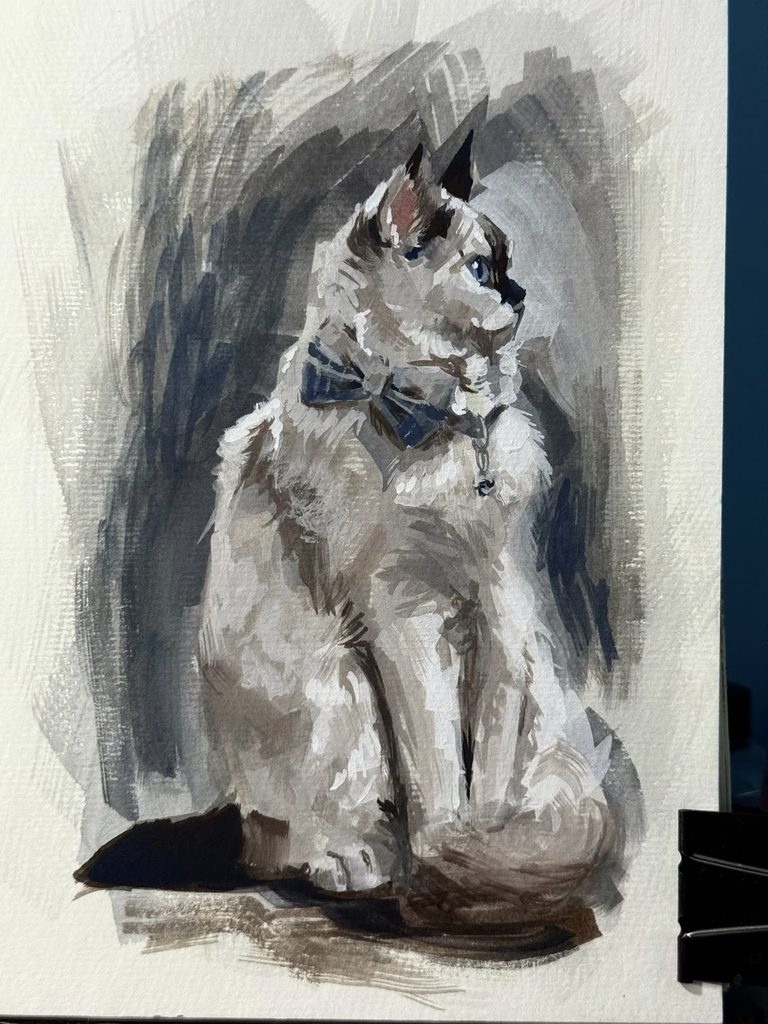
    A painting from the cat series, showing a fluffy cat wearing a bow tie

    Since it was my first time going out in a long while, I didn’t miss the chance to meet fellow artists either. I already had my painting sketchpads in my bag, ready to bring them out anytime.

    Thankfully, my seatmate was an artist. She made amazing digital work and had a background in animation. We talked about different art mediums and showed each other our work.

    My sketchpad was pretty large, so it inevitably caught the eyes of the other members. I gave them a quick tour of my other work, and they really liked the cat series paintings I’d made. It was nice seeing how everyone appreciated creativity in all its forms.

    What I Wish I Knew About Selling My First Painting

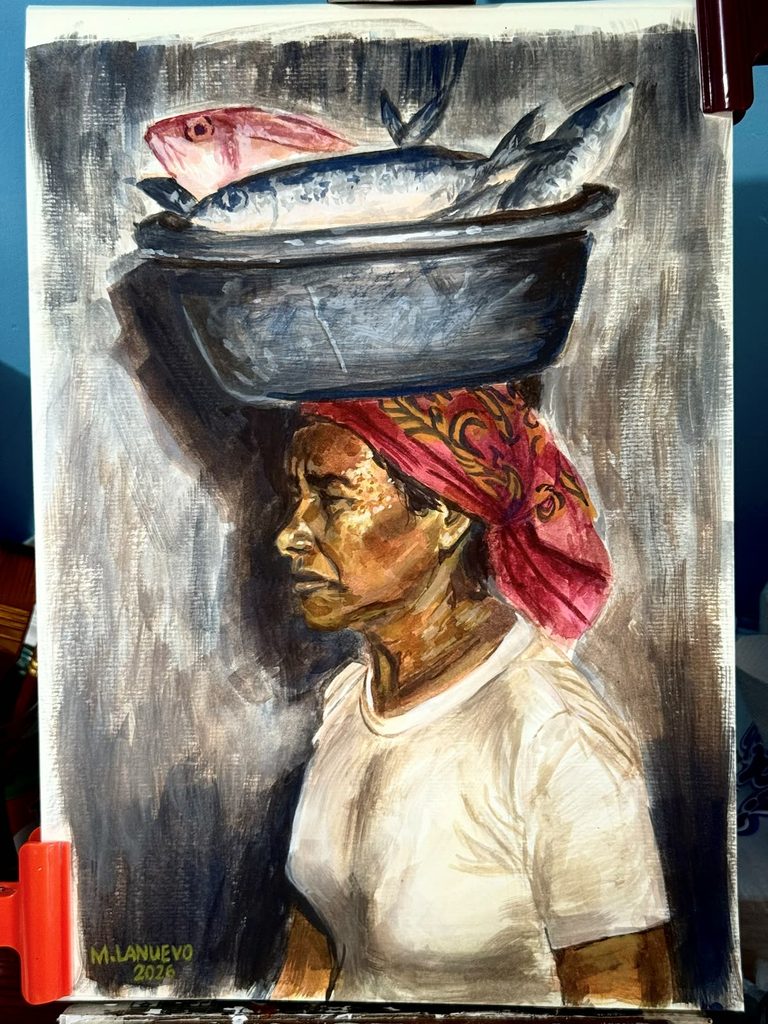
    A watercolor painting of a fisherfolk carrying a basin of fish on her head, the piece sold at the mini-penmeet

    Among the pair who were flying out that evening, one was an avid supporter and collector of local art. She took an interest in one of my paintings depicting a fisherfolk, worthy of an exhibit, she said. I was genuinely touched by the compliment.

    After a few more exchanges, she offered to buy it. I was in shock, it was the first time anyone had offered to buy a painting from me in person. She told me all I had to do was name a price and she’d take care of the rest. I did, and I sold my first ever painting.

    If you’ve never priced your own art before, naming a number on the spot is harder than it sounds. I didn’t have a formula. I just thought about the hours it took, added a little for the materials, and picked a number I wouldn’t feel bad about later.

    Most first-time sellers undervalue their own work by a wide margin, so if you’re ever in that position, it’s worth erring higher than feels comfortable. Worst case, someone negotiates. Best case, you realize your work was worth more than you thought.

    Being surrounded by people who appreciate the same things you do feels amazing. I was nervous going out and meeting new people for the first time, but it didn’t take long to fit right in. Already, at that point, I felt like I’d found my tribe.

    Around that same time, another invite came through the group chat for a full afternoon inside the National Museum of the Philippines Iloilo, gouache and paintbrush included.

    Quick Answers

    How much are vintage fountain pens worth? It depends heavily on the nib material, the body material, and the quality of restoration. A well-restored gold-nib pen from the 1920s can be worth significantly more than a similar pen with a damaged nib or an unrepaired crack.

    How do you price your first painting sale? Start with your materials cost plus a fair rate for your time, then round up. Most new artists undervalue their own work, so if you’re unsure, it’s safer to price slightly higher than you’re comfortable with.

    What should I bring to my first pen meetup? Bring whatever you already make or collect, even if no one asked. I brought my sketchpad out of habit, and it ended up being the reason I met the person who bought my first painting.

  • How I Found My Fountain Pen Community (By Accident)

    How I Found My Fountain Pen Community (By Accident)

    One of my most valuable hobbies is journaling with a fountain pen. I started in 2023, after getting my first job upon graduating. My collection has grown since then, and I’ve been quietly enjoying this hobby for the past three years, though I had no idea there was a real fountain pen community out there until recently.

    Over a month ago, I got a life-changing surprise when a friend reached out about the hobby. An old friend from high school saw a story I’d posted about disassembling and cleaning my fountain pen.

    She told me she knew someone who was part of a fountain pen community near me. All these years I’d been enjoying this hobby in silence, so of course, I was surprised to find out there was a whole fountain pen scene nearby.

    It didn’t take long before I was added to a group chat full of people in the same hobbyspace. None of the members were familiar to me, so beyond the initial introductions, I mostly kept quiet. I did enjoy following the daily discussions about fountain pens on the side.

    Wait, There’s an Actual Fountain Pen Community?

    I hadn’t realized how much structure existed around something I’d only ever done alone at my desk. Turns out there’s a whole calendar of pen meetups built around this hobby.

    None of this is complicated. It’s just people who like the same small, slow thing finding excuses to do it in the same room. Knowing this existed made the whole hobby feel less like something I did in isolation, and more like something I’d just never been introduced to yet.

    A Month of Firsts

    I said yes to the group chat, and I did not expect what came next. Within a few weeks I went from lurking quietly to attending four separate events, back to back, with people I’d never met.

    The first was a quiet Sunday afternoon at a local coffee shop, where a small group of collectors laid out over thirty vintage pens, some older than my parents, for anyone to hold and write with.

    I brought my sketchpad along out of habit more than anything. By the end of that afternoon, one of the collectors there offered to buy one of my paintings. I said yes before I fully processed what was happening, and just like that, I’d sold my very first piece of art.

    A few weeks later I found myself at one of nine crowded tables inside the National Museum of the Philippines Iloilo, gouache in hand, trying very hard not to let the other forty-something artists in the room see how nervous I was. It took about two hours of painting before my heart rate matched the calm I was supposed to be feeling.

    Then came the ink-stained afternoon before our first Pelikan Hubs gathering. One table did bookbinding, another was covered in ink bottles for swatching, and somehow half the room turned out to be people I already knew from school or work, without either of us realizing it.

    The month closed out on National Heroes Day, sketching outdoors at Plaza Libertad while gray clouds tried to cut the session short. We did one last Lapag, our own name for laying every sketch out together at the end of a session, in the middle of the plaza. Among everyone there, I ran into yet another familiar face from high school.

    How to Actually Find a Hobby Community Like This

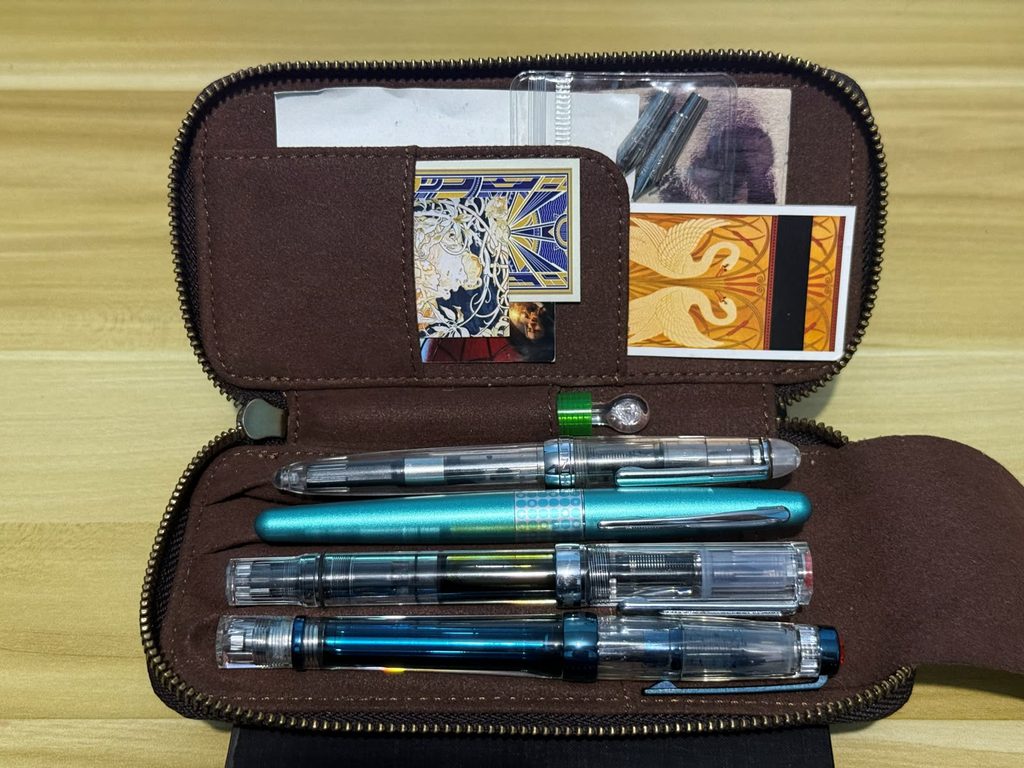
    A zippered pen case holding a small collection of fountain pens from the local fountain pen community

    If you’re the type who’s been quietly doing something for years without realizing there’s a whole group of people doing the same thing nearby, here’s what actually worked for me:

    • Post about your hobby, even casually. Mine started because a friend saw an offhand story about me cleaning a pen, not because I went looking for a community.
    • Say yes to the small, low-stakes invite first. A coffee shop meetup with eight people is a much easier first step than showing up to a 40-person event cold.
    • Bring what you enjoy, even if you weren’t asked to. I brought my sketchpad to a pen meetup out of habit, not strategy, and it ended up mattering more than I expected.
    • Expect overlap. Hobby communities in the same city tend to know each other. Several people I met turned out to be classmates, coworkers, or friends-of-friends I’d never have connected with otherwise.

    Quick Answers

    How do I find a fountain pen community near me? Ask around casually first, mine started with one friend who happened to know someone. Local Facebook groups and Pelikan Hub events are also a solid starting point.

    What is a “penmeet“? An informal gathering where fountain pen collectors bring their pens to show, trade stories about, and sometimes write or sketch with together.

    What does “Lapag” mean? It’s what our sketch group calls the activity where everyone lays their finished sketches out together at the end of a session so we can see each other’s work.

  • A New Way Forward: Why I’m Digitalizing My Handwritten Journal

    A New Way Forward: Why I’m Digitalizing My Handwritten Journal

    I’m switching from typing blog posts to keeping a handwritten journal first, then scanning and transcribing the pages into posts here. It’s a simpler way to keep publishing regularly, since I never stopped filling notebooks even after the blog went quiet for years.

    Three years ago, I built my personal website as a portfolio for work. Ever since it fulfilled its purpose, I stopped working on it. My website has essentially been sitting in maintenance mode these past years.

    With recent developments at work, I now have more free time to work on my site. I decided to rebuild the whole thing from scratch. With a fresh new look on the horizon, it’s time to get working.

    This time around, I’m changing my approach to creating content. I used to type out all the blogs I posted before, but that didn’t really work out for me. It felt like too much of a chore, and I couldn’t push out content on a regular basis. I need a different approach that actually works for me.

    Moving to a Handwritten Journal Approach

    Moving forward, I’m going with a handwritten journal style. I want my website to be a space where I can just dump out my thoughts, a place where I can talk about things I’m interested in until it reaches the right audience.

    Instead of typing my blogs directly, I write them first by hand. My thoughts flow far more freely with pen and paper than when I’m staring at a screen. I’ll just scan them afterward and transcribe them into a document to post as a blog.

    Why the Shift?

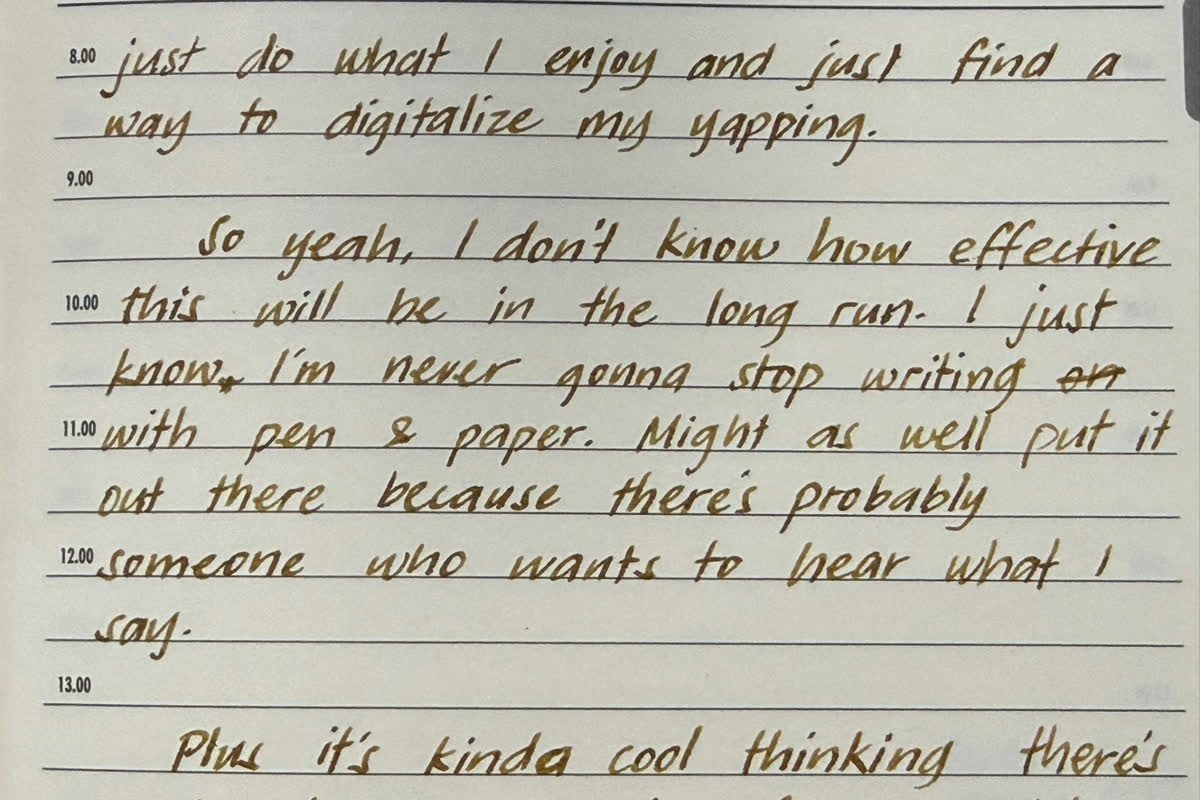
    I got this idea after organizing my journals this year. It turns out I’ve finished multiple thick journal books over the past three years. My blog stopped publishing, but I never stopped writing. So, I thought: why not just do what I enjoy and find a way to digitalize my yapping?

    I don’t know how effective this will be in the long run. I just know I’m never gonna stop writing with pen and paper. Might as well put it out there, because there’s probably someone who wants to hear what I have to say.

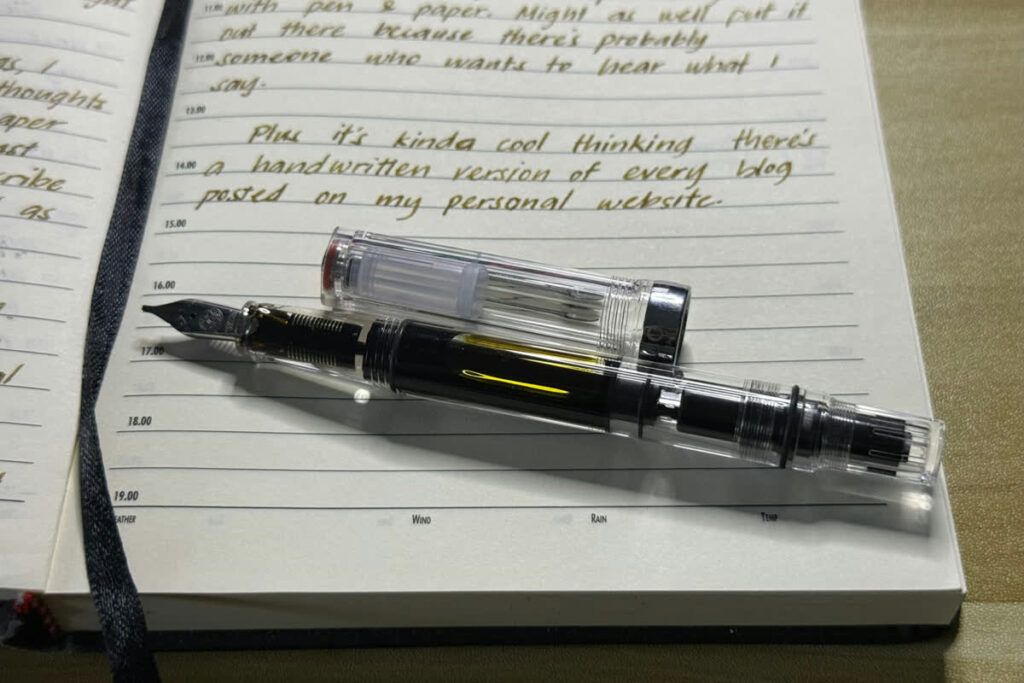
    Fountain pen resting on an open journal page, the tools used to write this post by hand

    Plus, it’s kinda cool thinking every single blog post on my personal website started as a page in a handwritten journal.

    FAQ

    Why did you stop posting on your blog?

    My blog went quiet because typing out full posts felt like a chore and I couldn’t keep up a regular schedule, even though I never stopped writing by hand in my personal journals.

    How do you turn a handwritten journal entry into a blog post?

    I write the entry by hand first, then scan the page and transcribe it into a document, which becomes the blog post you’re reading.

    Do you still write by hand for every blog post?

    Yes, going forward every new post on this site starts as a handwritten journal entry before it’s typed up and published.

    Will you keep using this handwritten journal approach long-term?

    I’m not sure yet how well it’ll work over time, but I plan to keep writing by hand regardless, so it makes sense to publish that writing here.